Choose the floor for movement and reset
Flooring affects grip, impact comfort and how quickly the room can change modes. A surface suitable for stationary golf practice may not suit lateral movement or repeated pivoting. Ask about the intended footwear, cleaning method and compatibility with movable mats or equipment bases. Avoid loose edges and changes of level in the active area.
If one activity needs an insert or portable platform, decide where it lives when removed and how it is handled. The storage route should not cross fragile sensors or require lifting bulky parts over seating. Check that floor markings remain legible without confusing the visual tracking system. Any permanent markings or reflective materials should be approved for the selected equipment.
Give each mode an explicit identity
A useful multi-sport room has a simple, visible changeover routine. Select the activity, place the approved equipment, confirm the clear area and check that the correct calibration or software profile is active. Only then begin play. Label storage so that balls, bats and accessories cannot be casually mixed between incompatible modes.
Provide controls outside the projectile path, with a clear way to pause the experience. A supervising adult should be able to observe both the player and the entry to the room. Guests need a short explanation of where to wait, how to stop and when it is safe to retrieve equipment. Good operating habits should be supported by the layout rather than dependent on repeated warnings.
Account for impact, voices and heat
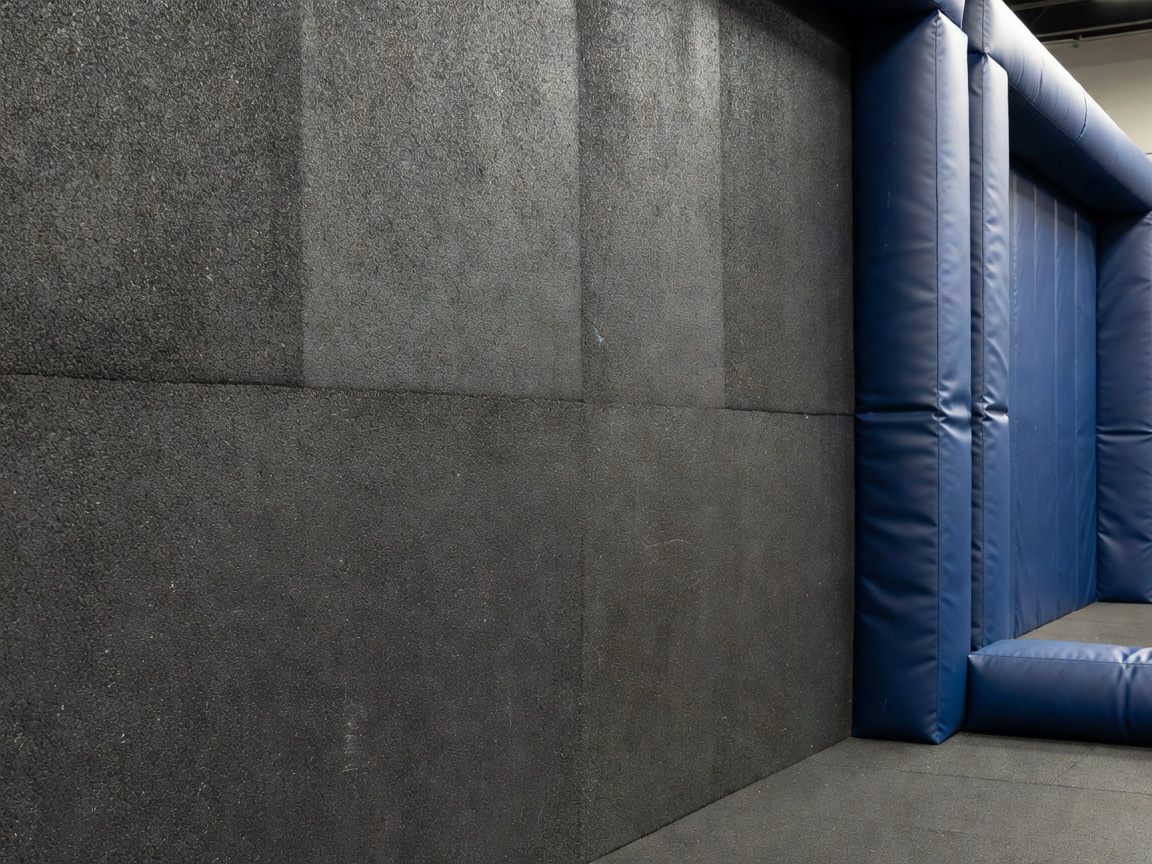
Multi-player sports sessions can be louder than a seated simulator even when the electronics are quiet. Voices, footfall and repeated impact all contribute. Absorptive finishes can improve intelligibility and reduce the room’s harshness, while isolation from other rooms depends on construction, openings and structural paths. Discuss these separately with an acoustic professional if disturbance is a significant constraint.
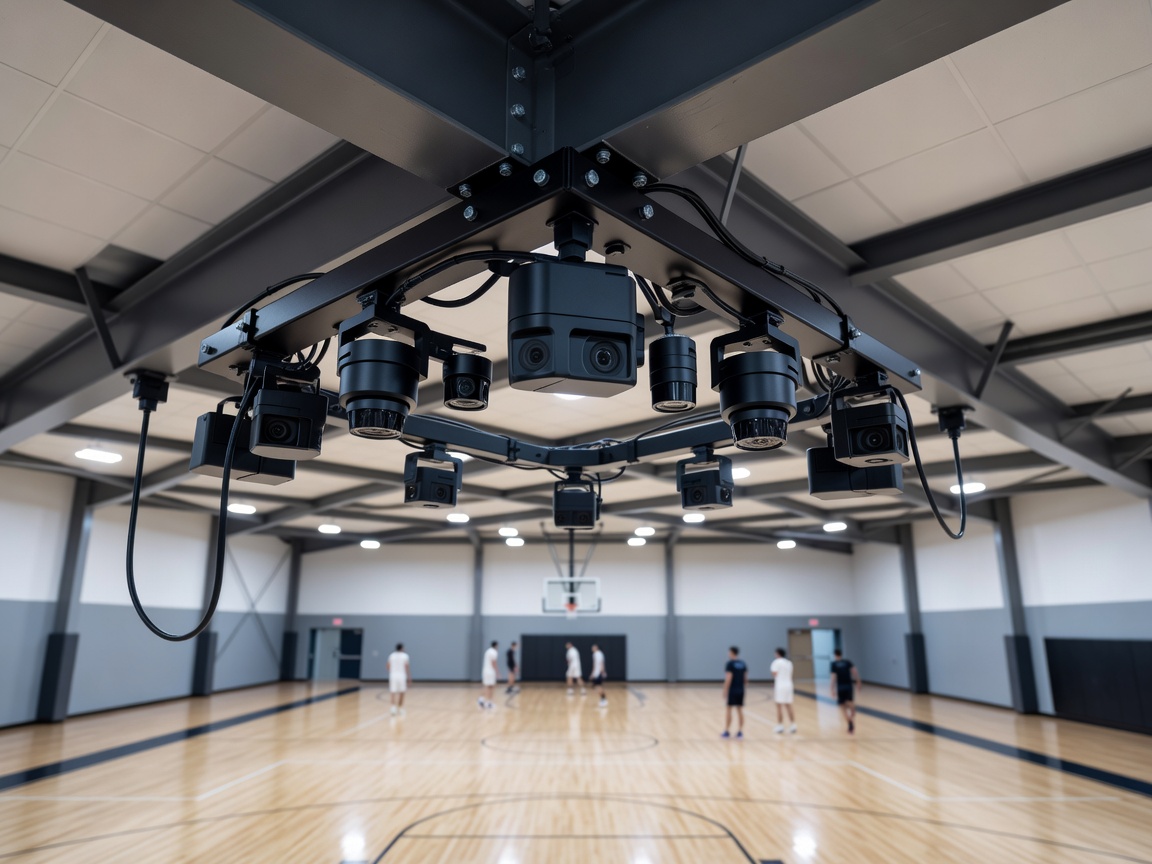
Ventilation also needs to reflect active use rather than the nominal room occupancy alone. Keep air supply and extract positions compatible with projection, sensor operation and protected surfaces. Lighting should make the floor and boundaries visible without degrading the selected tracking method. Daylight control may be necessary, but darkness should never conceal obstacles or an unsafe circulation route.
Test the least convenient changeover
Commissioning should include the most demanding transition between activities, not only the easiest demonstration. Measure how long it takes, who can carry out the reset and whether calibration survives normal cleaning. Check fabric, fastenings and protective elements according to supplier guidance, and retain the manuals where the operator can find them.
A convincing sports suite earns its versatility. If an activity cannot be contained, tracked or reset reliably in the available space, remove it from the brief rather than disguising the compromise. Fewer well-supported modes usually create a better experience than a long menu of activities the room cannot comfortably deliver.